Would giving 16-year-olds the vote improve democracy or just change the way campaigns are run?
This post was written by a student. It has not been fact checked or edited.
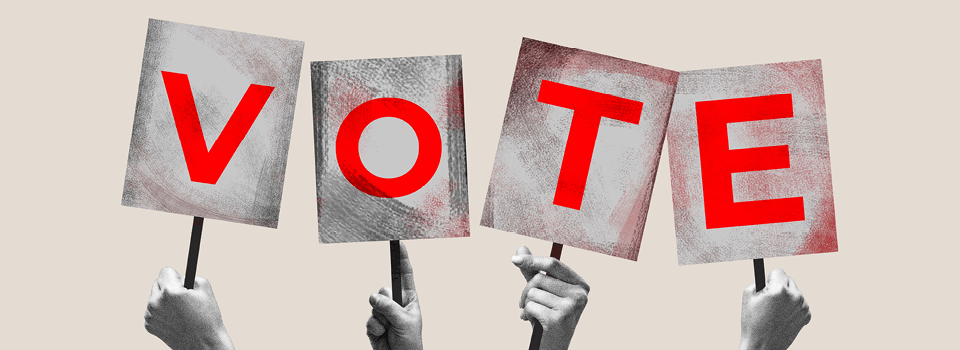
"Democracy Is Built On Trust - So Why Don't We Trust The Young ?"
1)The age we never question :
For decades, 18 has been considered the "correct" age to vote.
But have we ever questioned why?
Is maturity something that suddenly appears on an 18th birthday?
Or is it something that grows through education, discussion, and experience?
If miss information affects people of all ages, then age alone cannot be the perfect measure of responsibility.
2) Growing up in a different world :
Today's teenagers grow up surrounded by global discussions, technology, and constant news.
At 16, we already think about climate change, education systems, job opportunities, and digital safety- because this policies will shape our lives.
If government decisions shape our future, shouldn't we have a voice in shaping those decisions?
3) Would it only change campaigns?
Some people argue that lloying the voting age would not truly improve democracy- it would only change how political campaigns are run.
Politicians might simply adjust their strategies to attract younger voters.
Yes, campaigns would likely change. Politicians might talk about education, climate action, mental health, and digital rights.
But is that a bad thing?
If political campaigns begin focusing more on long term issues that affect young people, that is not just a campaign change - that is a democratic improvement when leaders listen to a wider range of citizens, democracy becomes more representative .
So even if campaigns change, that change reflects a stronger connection between government and society .
4) The real difference is education, not age :
Some believe teenagers are easily influenced. But influence exists at every age. The real factor is critical thinking. A civic education is strengthened, 16 years old can analyse policies and form informed opinions . Being in school may even make them more prepared to understand democratic systems .
5) Responsibility grows through trust :
Responsibility does not come from a birthday. It grows when people are trusted and included. Lowering the voting age to 16 would encourage earlier political awareness and lifelong civic participation.
Democracy becomes stronger when more citizens feel responsible for it.
Conclusion ) Improvement, not just change :
Giving 16 year old the vote would not simply change campaign strategies. It would expend participation. It would increase long term thinking. It would show trust in the generation that will live longest with today's decisions.
Democracy does not weaken when it evolves. It strengthens . And trusting young people is not
just a campaign adjustment- it is an investment in a more inclusive and forward- looking democracy.
Comments (0)